




Your home is one of your largest investments, and regular maintenance plays a major role in protecting its value, efficiency, and long-term condition.
Summer is one of the best times to tackle preventative home maintenance projects. Longer daylight hours and drier weather make it easier to identify small issues before they turn into expensive repairs.
From roof inspections and HVAC servicing to drainage, landscaping, and energy efficiency, proactive upkeep can help homeowners avoid costly surprises while preserving curb appeal and resale value.
Use this summer home maintenance checklist to keep your property in top shape throughout the season.
Exterior Maintenance
Inspect the Roof
Summer storms and heat can expose weak spots in your roofing system. Look for missing, cracked, or curling shingles, and inspect flashing areas for signs of wear or separation.
Catching roof issues early can help prevent water intrusion and far more expensive structural repairs later.

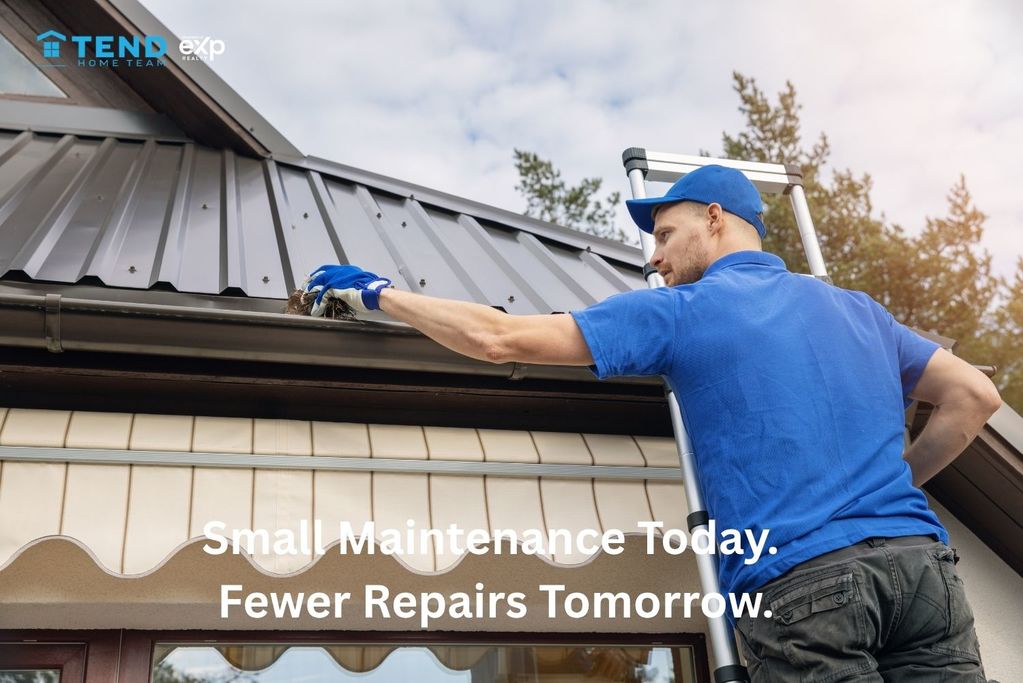
Clean and Check Gutters
Spring debris, pollen, and leaves can clog gutters and downspouts, preventing proper drainage.
Clear gutters thoroughly and make sure downspouts direct water at least six feet away from the foundation. Proper drainage helps reduce the risk of water damage, erosion, and foundation issues.
Examine the Foundation
Walk the perimeter of your home and look for new cracks, shifting, or signs of settling.
Small foundation cracks can often be repaired early before moisture intrusion causes more significant damage. Monitoring your foundation regularly is one of the most overlooked — yet important — maintenance tasks homeowners can do.
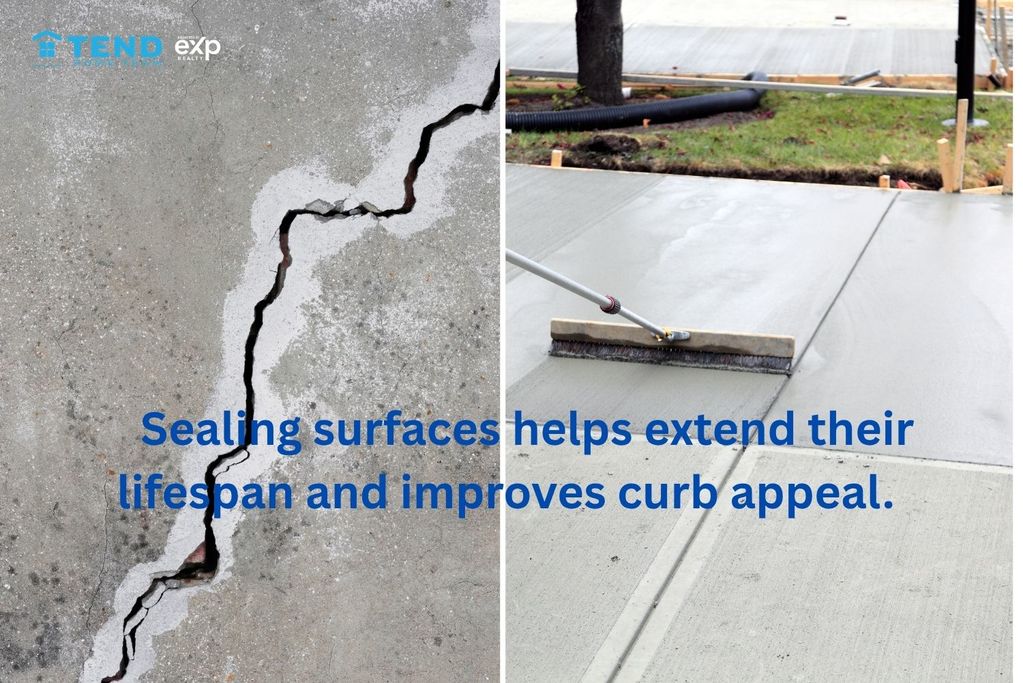
Seal Driveways and Walkways
Heat, moisture, and UV exposure gradually break down asphalt and concrete surfaces.
Filling cracks and applying sealant helps extend the lifespan of driveways and walkways while improving curb appeal and reducing long-term repair costs.
Paint and Re-Caulk Exterior Gaps
Summer weather is ideal for exterior painting and replacing deteriorating caulk around windows, doors, siding, and trim.
Failing caulk is one of the most common sources of preventable water damage. Sealing gaps properly also helps improve energy efficiency and keeps moisture and pests out.
HVAC and Cooling System Maintenance
Service Your Air Conditioner
Your HVAC system works hardest during the summer months.
Replace or clean filters regularly and schedule annual servicing to inspect refrigerant levels, electrical connections, and system performance. Routine maintenance can improve efficiency, lower energy costs, and extend the lifespan of your system.

Clean Ceiling Fans
Dust buildup on fan blades can reduce airflow and circulate allergens throughout the home.
Make sure ceiling fans rotate counterclockwise during summer to help push cool air downward and improve comfort.
Check Attic Ventilation
Poor attic ventilation traps heat and forces your cooling system to work harder.
Inspect soffit and ridge vents to ensure proper airflow and remove any blockages that could restrict ventilation.
Plumbing and Water Systems
Inspect Outdoor Faucets and Irrigation Systems
Check outdoor hose bibs, hoses, and irrigation systems for leaks or damaged components.
Even small leaks can quietly increase water bills over time and contribute to unnecessary water waste.
Flush the Water Heater
Sediment buildup inside the tank can reduce efficiency and shorten the lifespan of your water heater.
Flushing the tank annually helps maintain performance and may reduce energy consumption.
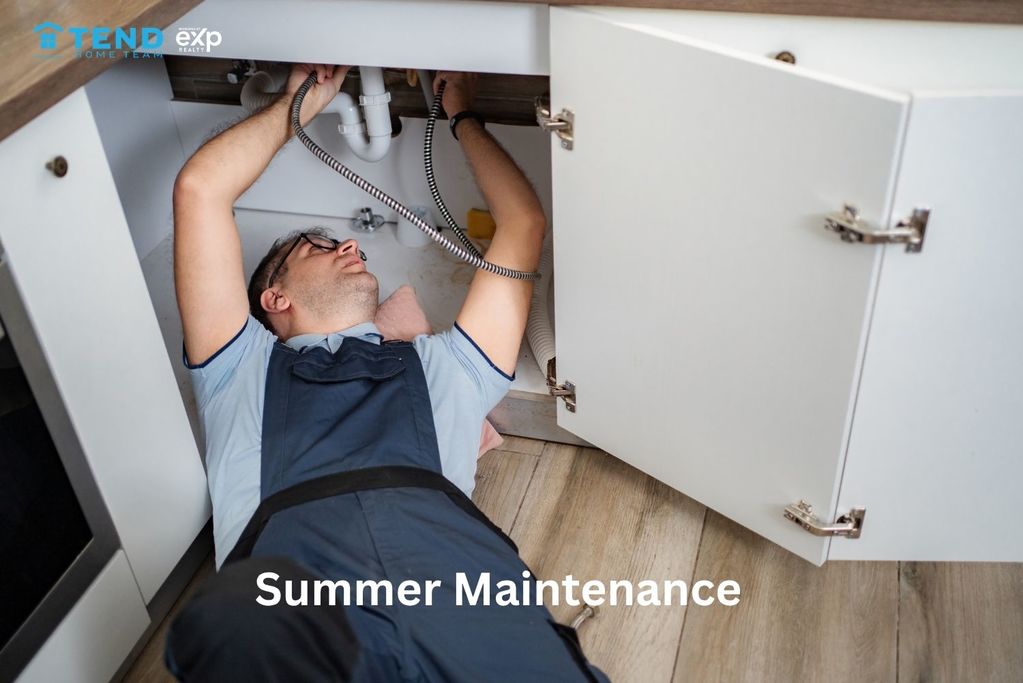
Look Under Sinks
Small plumbing leaks often go unnoticed until they cause cabinet damage, mold growth, or flooring issues.
Take a few minutes to inspect under sinks and around plumbing connections for moisture, staining, or musty odors.
Lawn and Landscaping Maintenance
Trim Trees and Shrubs Away From the Home
Overgrown landscaping can trap moisture against siding and create easy access points for pests.
Keep branches trimmed away from the roofline and maintain proper spacing between vegetation and the home.
Check Grading Around the Foundation
The soil surrounding your home should slope away from the foundation to direct water runoff properly.
Poor grading can contribute to standing water, basement moisture, and foundation concerns over time.
Inspect the Deck or Patio
Look for loose boards, popped nails, wood rot, or signs of structural wear.
Wood decks should be cleaned and re-sealed every one to two years to protect against moisture damage and UV exposure.

Interior Maintenance
Test Smoke and Carbon Monoxide Detectors
Test all smoke and carbon monoxide detectors and replace batteries as needed.
Most detectors should be replaced approximately every 10 years for optimal safety.
Clean Refrigerator Coils
Dust-covered refrigerator coils force the appliance to work harder and use more energy.
Vacuuming coils periodically can improve efficiency and potentially extend the life of the appliance.
Inspect Window and Door Screens
Repair torn screens before peak mosquito season and inspect weatherstripping for air leaks.
Proper sealing helps keep cool air inside and improves overall energy efficiency.
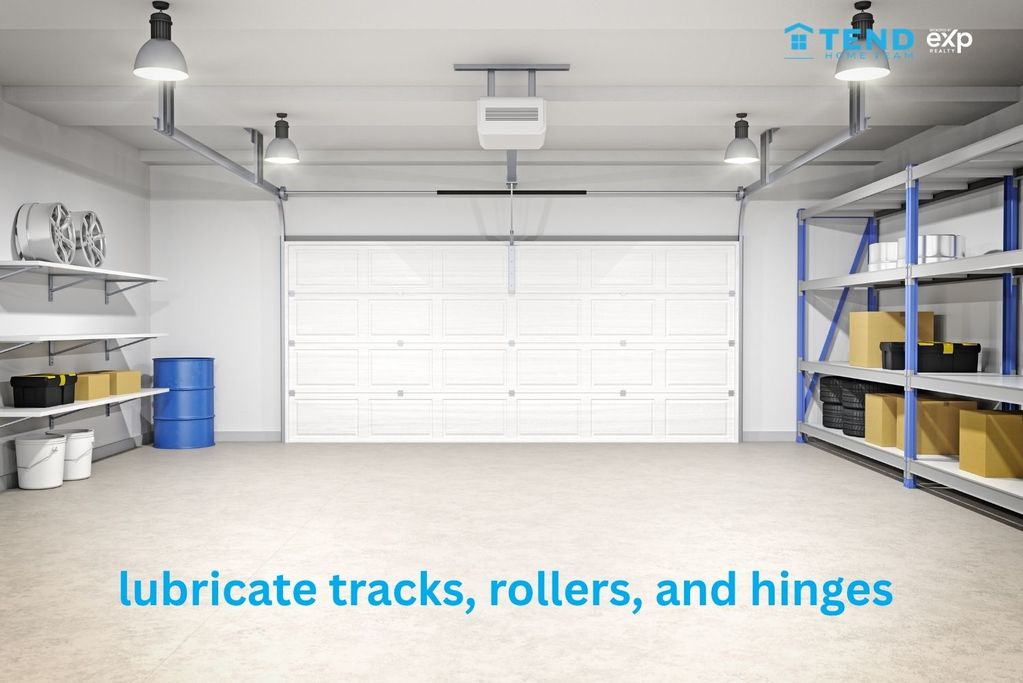
Check the Garage Door System
Test the garage door auto-reverse safety feature and lubricate tracks, rollers, and hinges.
Summer heat can cause metal components to expand, increasing wear on moving parts.
Safety and Equipment Checks
Service Lawn Equipment
Sharpen mower blades, change oil, and inspect power tools for wear or damage.
Properly maintained equipment performs more efficiently and safely.
Inspect Fire Extinguishers
Check the pressure gauge on each extinguisher and confirm safety pins and tamper seals remain intact.
Fire extinguishers should be easily accessible and regularly inspected.
Why Preventative Home Maintenance Matters
Homes that age well are usually homes that are consistently maintained.
While many maintenance tasks may seem small in the moment, proactive upkeep can help prevent major repair costs, improve energy efficiency, preserve curb appeal, and support long-term property value.
Well-maintained homes also tend to show better during inspections and can help reduce deferred maintenance concerns when it comes time to sell.
Whether you plan to stay in your home for years or eventually move, regular maintenance is one of the smartest ways to protect your investment.
Frequently Asked Questions About Summer Home Maintenance
What home maintenance should be done every summer?
Summer home maintenance typically includes roof inspections, gutter cleaning, HVAC servicing, sealing exterior cracks, checking irrigation systems, trimming landscaping, and inspecting decks or patios.
Does regular home maintenance help property value?
Yes. Consistent home maintenance helps preserve curb appeal, prevent deferred maintenance issues, and reduce the likelihood of costly repairs that can negatively impact resale value.
What maintenance tasks help avoid expensive repairs?
Roof inspections, proper drainage, HVAC servicing, foundation monitoring, and sealing exterior gaps are among the most effective ways to prevent larger repair issues over time.
Check out this article next